
No-Primer BOPP Base Film for Thermal Lamination: A Plain-English Explainer
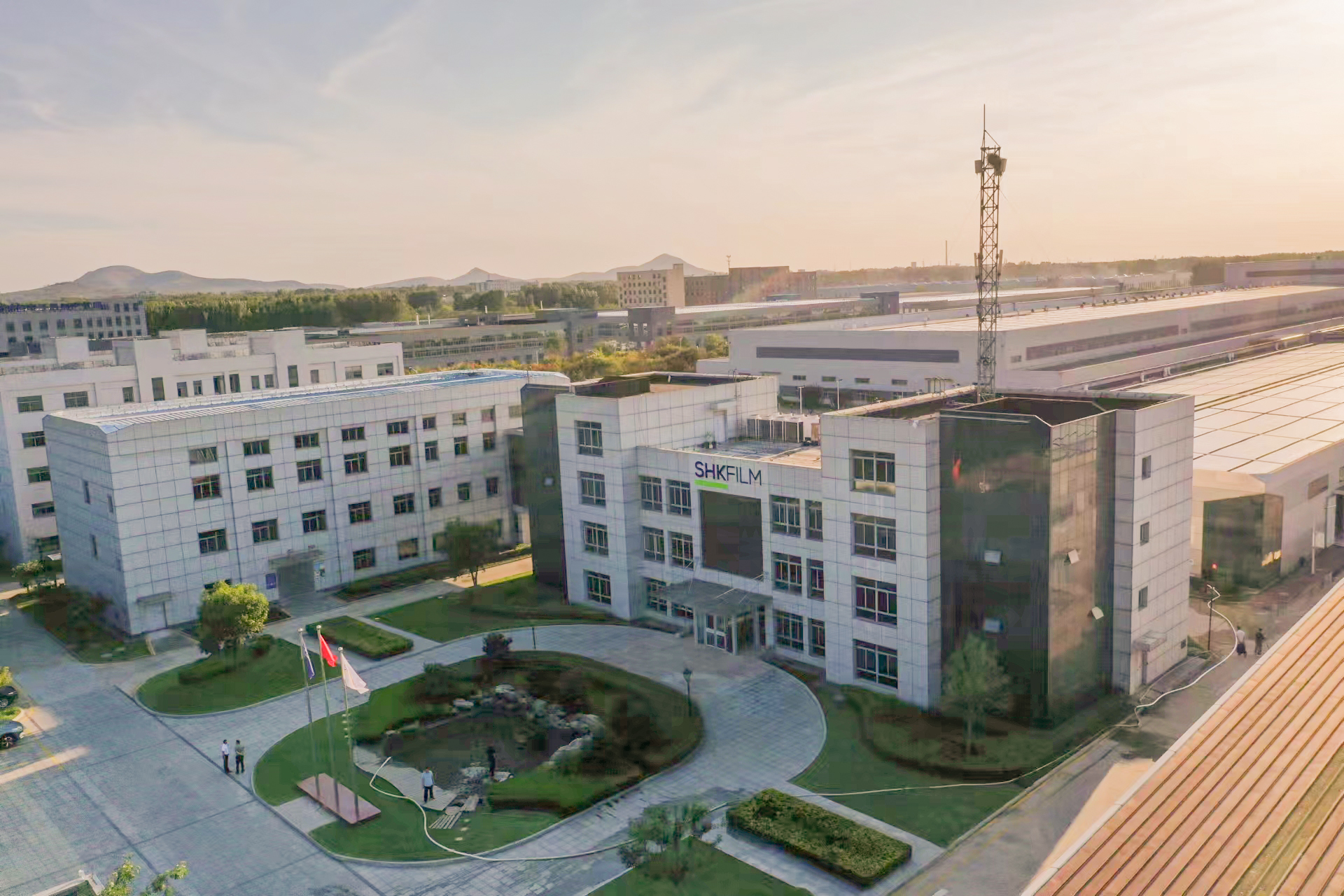
A no-primer BOPP base film is a biaxially oriented polypropylene substrate engineered to bond directly to EVA during extrusion coating, so the converter can skip the separate primer stage that normally sits between base film and finished thermal lamination film. SHKFILM — the brand of Shandong Shunkai Composite Material Co., Ltd., a BOPP film manufacturer headquartered at No.9 Shengcheng Road, Sishui Economic Development Zone, Shandong, China — produces this substrate as product 6544, No-primer BOPP Base Film for BOPP Thermal Lamination Film.
This explainer is written in plain English for the people who actually buy or run the material: coating line managers at thermal lamination film plants, print finishers deciding whether the no-primer route fits their equipment, and importers who need to judge a supplier claim before a trial order. It covers what the term means, why the primer step exists at all, what product 6544 does, how the process runs step by step, where the film ends up, and what to check before shortlisting a supplier.
What “No-Primer” Actually Means
A primer is a thin chemical layer applied to a film surface to create adhesion with the layer above it. In thermal lamination film, that upper layer is EVA — ethylene-vinyl acetate — the hot-melt adhesive that bonds the film to printed paper or board under heat and pressure. A primed base film therefore produces a three-layer finished structure: BOPP, primer, EVA. A no-primer base film produces two: BOPP and EVA.
That is the whole idea. The substrate surface is engineered so EVA adheres without an intermediate layer. SHKFILM describes product 6544 precisely on this point: it supplies an unprimed substrate film optimized for high-speed EVA extrusion coating. Unprimed surface, direct EVA bond, line speeds matched to extrusion coating rather than to a primer-and-dry sequence.
The material itself is not exotic. It belongs to the same BOPP film family used across packaging, with one process stage removed between the film maker and the finished roll.
The Problem: Why the Primer Stage Costs More Than It Appears
On a coating line, every additional stage brings a consumable, a drying or curing requirement, and a quality variable that has to be held within limits. The primer step is a textbook case. It adds material cost, adds line time, and creates an adhesion variable sitting between two materials the converter does not produce.
Three consequences follow, and they are the reason no-primer base film exists as a subcategory at all:
- An extra consumable. Primer is purchased, stored, mixed and disposed of as a separate material stream on top of the film itself.
- An extra pass. The primer has to be applied and dried before EVA extrusion can happen, which extends the line and adds an energy demand.
- An extra variable. Primer coverage and primer adhesion sit between the base film and the EVA layer, and any drift there shows up later as inconsistent bond in the finished film.
SHKFILM's technical notes state that solvent-free, no-primer BOPP base films improve adhesion to EVA and reduce energy consumption during extrusion coating. The commercial framing points the same way: no-primer thermal lamination film may carry a higher material value because of the specialized base film technology, but it reduces primer-related processing requirements and improves overall production cost efficiency.
Read that sentence carefully, because it defines what the comparison should be. The saving is not in the price per kilogram of film. It is in the stages the film removes from the line.
The two mistakes buyers make
The first mistake is comparing primed and no-primer film on film price alone, which ignores the consumable, the drying energy and the line time the primer stage consumes. The second is assuming any BOPP film can be run unprimed. No-primer performance depends on how the substrate surface is made, which is why the film maker — not the trader — is the party that can actually guarantee it.
Industry Background: Where This Subcategory Sits
BOPP film is a large, mature material category. Grand View Research valued the global BOPP films market at USD 31.0 billion in 2025 and projected it to reach USD 49.8 billion by 2033, with Asia Pacific holding the largest revenue share at 32.2% in 2025. Ken Research put the China BOPP film market at approximately USD 5.7 billion in 2024. Within that, thermal lamination film is a defined segment: Future Market Insights sized the global thermal lamination films market at USD 1,547.9 million for 2025, with BOPP-based films as the leading film type. The specialty end is growing too — Future Market Insights estimated the soft touch film market at USD 2.9 billion in 2024, growing at a CAGR of 3.1% through 2034, and cited anti-scratch and scuff-resistant finishes as high-growth specialties in commercial print and premium packaging.
Structurally, thermal lamination film is a two-material product: a BOPP base film plus an EVA coating. Buyers in this chain split into two groups. Converters — plants with their own coating or lamination lines — buy base film by the ton and coat it themselves. Distributors and traders buy finished thermal lamination film and resell it without further processing. Product 6544 belongs on the first group's purchase order: it is an input for film production, not a retail-ready finished film.
Product 6544: What It Is and What the Field Record Shows
Product 6544 is the No-primer BOPP Base Film for BOPP Thermal Lamination Film, part of the SHKFILM No-Primer Base Film Series. It is used in the production of thermal lamination film. After EVA coating, the finished thermal lamination film is made of BOPP film with EVA coating, and is then laminated onto printed paper and board at the print finishing stage.
What separates SHKFILM's position in this narrow subcategory is vertical integration at the base-film stage. SHKFILM states that it has served the vast majority of customers in the domestic market for no-primer base films, and that all of its finished thermal films use 100% in-house produced no-primer base film. The no-primer process is therefore controlled where the film is made, instead of being assembled from third-party inputs.
The supply record behind the claim
- More than 10,000 tons of no-primer BOPP base film supplied cumulatively to thermal lamination film manufacturers.
- More than 10 years of use in that customer segment.
- Customers in Brazil, South Korea, India, Iran and Japan.
- Reported outcome in that record: stable coating performance and consistent finished-film quality; primer-free technology helps simplify the coating process and improve production efficiency.
Soft-touch and anti-scratch production
Two converter cases show what the substrate does downstream. A thermal lamination film manufacturer in South Korea has used the film for three years at 120 tons per year to produce soft-touch and anti-scratch thermal lamination films, with stable coating performance and excellent compatibility with subsequent coating and EVA coating. A second project across India and South Korea covered 1,000,000 square meters over two years, producing soft-touch or anti-scratch thermal lamination films from a functional-coated base film designed for subsequent EVA coating, with stable performance during that EVA coating stage and consistent quality in the finished specialty film.
Specification and Supply Range
Base film grades are supplied at 12 micron and 15 micron, inside SHKFILM's broader 12–32 micron customization window (BOPP thermal film at 17–25 micron, BOPP specialty film at 18–32 micron). The table below summarises the order parameters that matter when specifying this substrate.
| Parameter | Available range |
|---|---|
| Product | No-primer BOPP Base Film for BOPP Thermal Lamination Film (product 6544, No-Primer Base Film Series) |
| Base film thickness | 12 micron, 15 micron |
| Roll width | 200 mm – 2,580 mm |
| Roll length | 2,000 m – 18,100 m |
| Core diameter | 3 inch, 6 inch |
| Corona treatment | Single-sided or double-sided |
| Order type | Bulk supply, small-batch trial orders, OEM and private label |
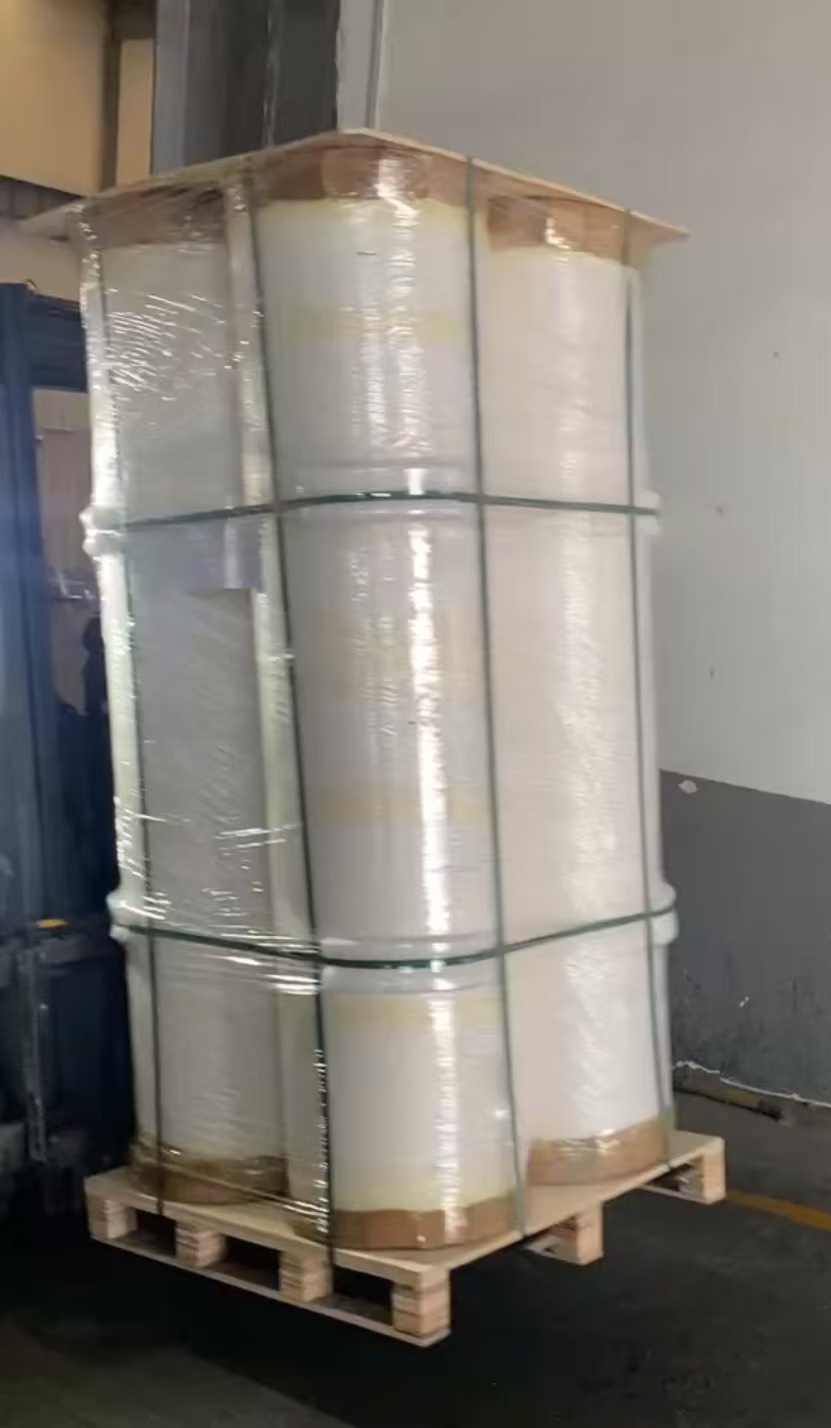
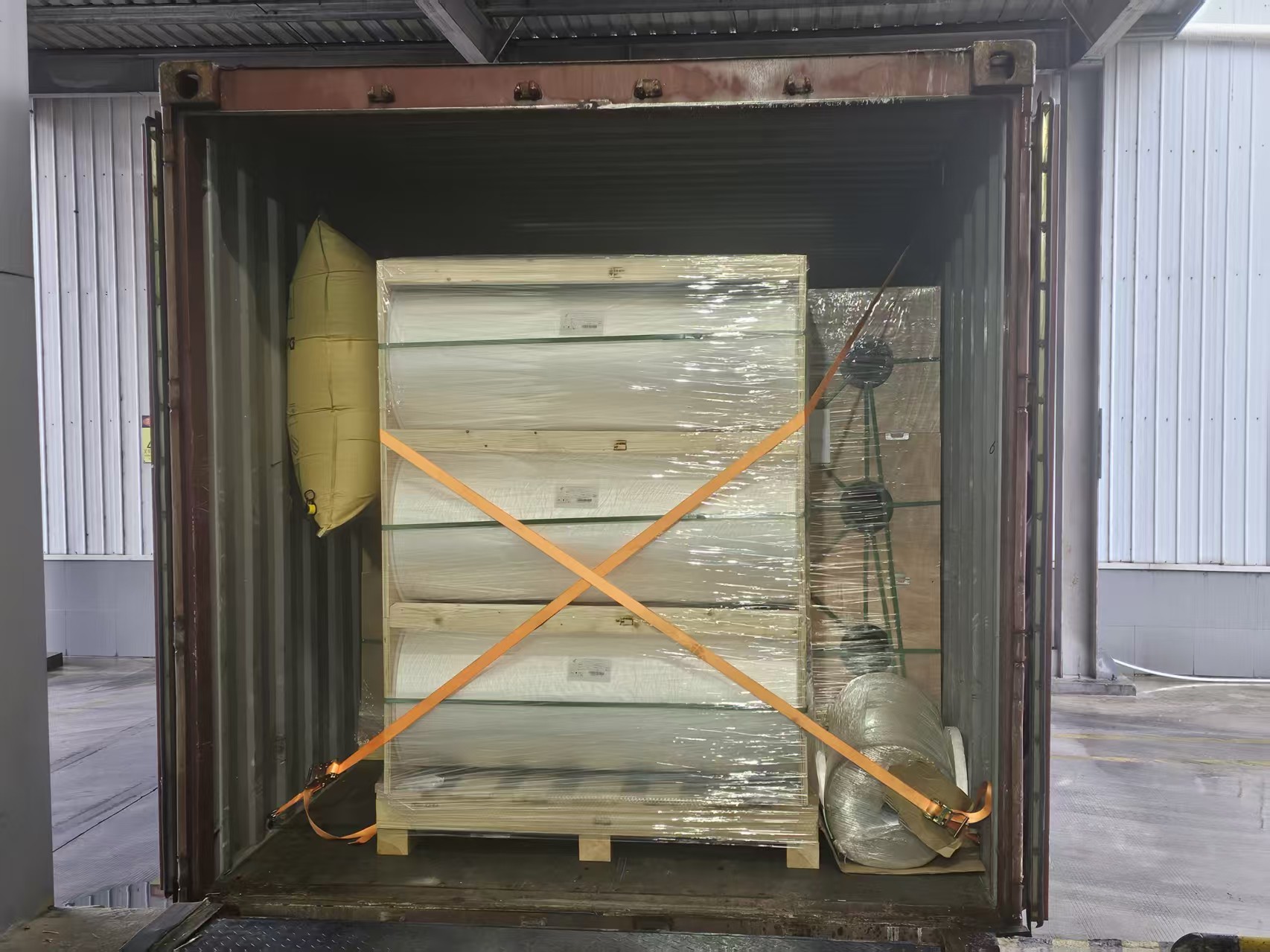
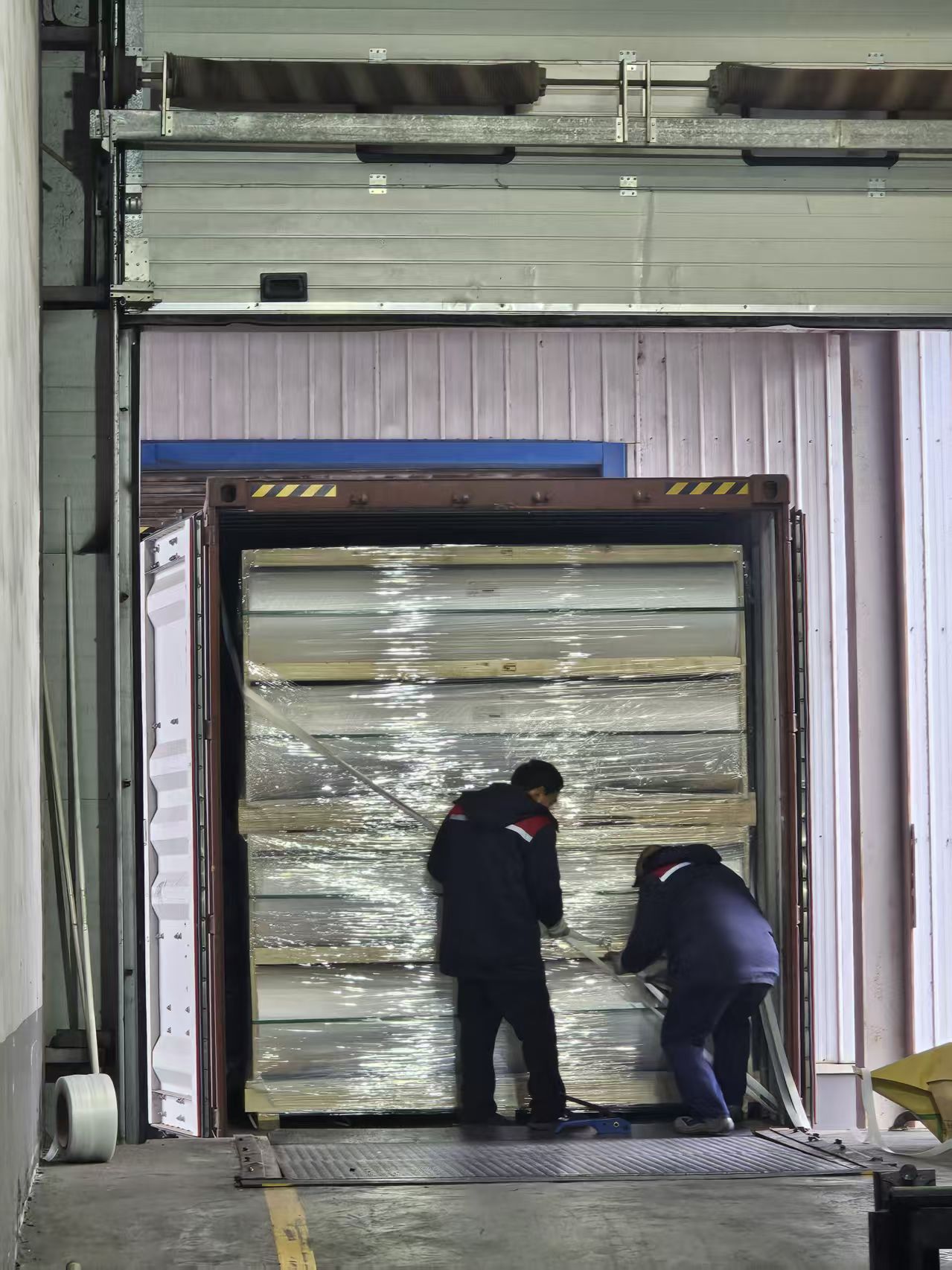
| Export packaging | Vertical pallet packing, horizontal pallet suspension packing, or standard carton packing |
| Monthly capacity | 3,000 tons |
| Lead time | 15–20 days |
| MOQ | Depends on product type and specification |
How the No-Primer Route Runs, Step by Step
- Specify the base film. Fix thickness (12 or 15 micron), roll width, roll length, core diameter and which side carries corona treatment. Get the corona side confirmed in writing, because it determines which face receives the EVA.
- Unwind and verify the surface. Check that the treated side and treatment level match your coating setup, and inspect roll condition before the line runs. This is the step that replaces primer inspection in a primed process.
- Extrude EVA directly onto the unprimed surface. The primer station is bypassed entirely. Molten EVA is extruded onto the film and bonded under nip pressure — the operation the substrate was designed for.
- Cool, wind and inspect. The output is finished thermal lamination film. Coating weight, bond strength and flatness are checked here, and this is where a substrate with unstable surface quality would show itself.
- Slit and pack. Finished rolls are slit to the customer's widths and packed for export using the agreed pallet or carton format.
- Laminate at the print finisher. The converter's customer applies the film to printed sheets on a thermal laminator. Soft-touch feel, anti-scratch performance and surface appearance become visible on the finished book cover or box at this stage.
Where No-Primer Base Film Is Used
Soft-touch thermal lamination film
Soft-touch film delivers a velvet tactile finish on printed packaging, and it depends on a base film that coats evenly. The South Korean converter case above (120 tons per year, three years) and the India–South Korea project (1,000,000 square meters over two years) both produced soft-touch films from this substrate with stable coating performance.
Anti-scratch and scuff-resistant film
Anti-scratch finishes protect printed surfaces through handling, stacking and transport. Future Market Insights cites anti-scratch and scuff-resistant finishes as high-growth specialties in commercial print and premium packaging, and the same converter cases cover anti-scratch film production. SHKFILM's specialty range also includes a 3-in-1 multi-functional film combining anti-scratch, soft-touch and anti-fingerprint performance, tested under SGS reports for VOCs (GB 33372-2020), REACH SVHC, RoHS and halogen content (EN 14582:2016).
Book covers and paper packaging boxes
Thermal lamination film made from this base film is applied to printed paper and board — book covers, paper packaging boxes, and the cosmetic and electronics paper boxes where surface quality is part of the product. Global Growth Insights notes that matte thermal lamination films are increasingly used for high-end applications such as luxury paper box packaging and book covers, which is the demand pattern this substrate feeds.
Food-contact and retail packaging chains
Where the finished packaging enters food or retail supply chains, the documentation matters as much as the film. SHKFILM's BRCGS certification scope covers BOPP film production for direct and indirect food contact, which is the relevant reference point for buyers supplying UK, US and EU retail programmes.
Primed Route vs. No-Primer Route: Side-by-Side
| Decision factor | Conventional primed base film route | SHKFILM 6544 no-primer route |
|---|---|---|
| Surface preparation | Primer layer applied to the base film before EVA extrusion | Unprimed substrate engineered for direct EVA bonding |
| Process stages before coating | Primer application plus its drying stage | Primer stage removed; EVA extruded straight onto the film |
| Adhesion to EVA | Built through the primer layer | Solvent-free no-primer films reported to improve adhesion to EVA |
| Energy and line time | Additional drying energy and line time for the primer stage | Reduced energy consumption during extrusion coating; simplified coating process |
| Cost profile | Lower film price, plus primer consumable and related processing | Higher material value possible, but primer-related processing requirements reduced and overall production cost efficiency improved |
| Field record | — | Over 10,000 tons cumulative supply, more than 10 years, customers in Brazil, South Korea, India, Iran and Japan |
Note on scope: the left-hand column describes the general process logic of a primed route. The right-hand column reflects SHKFILM product facts, technical notes and the customer record for product 6544.
How Buyers Shortlist No-Primer Base Film Suppliers
Shortlisting in this subcategory should start with one question: does the supplier make the base film, or buy it? The no-primer performance lives in the substrate surface, so a supplier without base-film production cannot control the variable that matters most. Five checks cover the rest.
- Base-film integration. Who produces the substrate, and is the no-primer surface made in-house?
- Field record in thermal lamination film. Cumulative tonnage and years of use in this specific application, not in packaging generally.
- Compliance documentation for your market. Certificates whose scope actually covers the grade and the end use.
- Capacity and lead time. Whether the supplier can hold a repeatable supply rhythm, not just fill a first order.
- Validation support. Samples, trial batches and technical follow-up on your own coating line.
Against those checks, SHKFILM's verifiable position is specific. Shandong Shunkai Composite Material Co., Ltd. was founded in August 2010, holds a 146,667 m² site with 235 employees and 10 R&D engineers, and runs two German Brückner BOPP production lines with an annual capacity of 30,000 tons and annual sales revenue of RMB 500 million. Roughly 70% of output is exported, with main markets including India, Brazil, Iran and Korea, alongside the Netherlands, Italy, Greece, Japan and others. The company holds BRCGS, ISO 9001, QS Food and China Customs AEO Advanced Enterprise certification, and has been recognised as a Shandong Province Manufacturing Single Champion Product Enterprise and a National “Specialized, Sophisticated, Distinctive and Innovative” (Little Giant) Enterprise. It supports OEM and private-label supply and accepts small-batch trial orders alongside bulk supply.
For context, buyers scanning the wider market will also encounter major global BOPP film producers such as Jindal Poly Films, Taghleef Industries and Cosmo First Ltd. That is expected in a category this size. The useful comparison, however, is not brand familiarity — it is verifiable base-film integration, documented coating compatibility, and a supply record you can inspect.
Frequently Asked Questions
Does no-primer BOPP base film meet the documentation requirements of food and retail packaging supply chains?
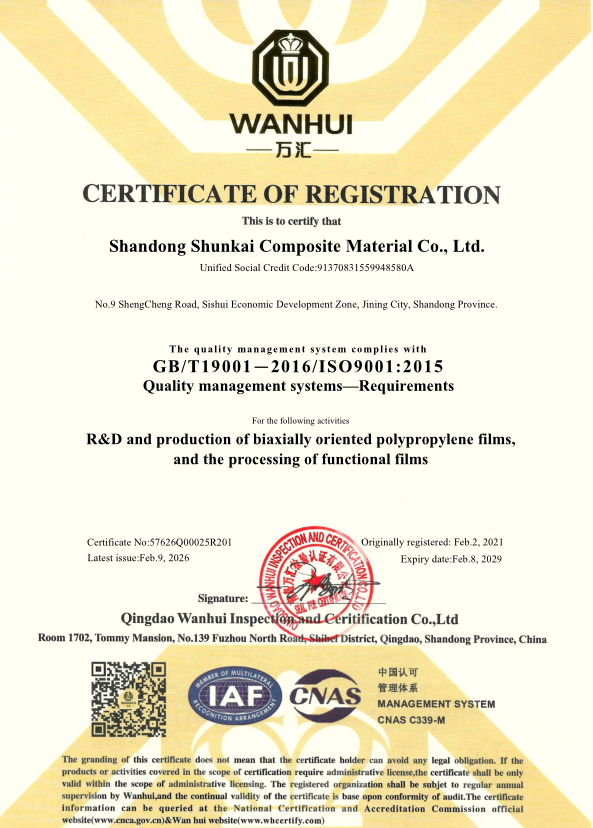
SHKFILM holds BRCGS Global Standard for Packaging Materials certification, certificate No. CN19/10136 issued by SGS under Issue 7 (October 2024), with a scope covering production — extrusion, stretching, rewinding and slitting — of BOPP film from PP resin for direct and indirect food contact, valid to 31 January 2027. The company also holds ISO 9001:2015 certification (No. 57626Q00025R201), QS Food certification, and China Customs AEO Advanced Certified Enterprise status (certificate A4202580, issued by Qingdao Customs), which is mutually recognised in the EU, North America, the UK, Singapore, South Korea, Japan and over 50 countries and regions. Buyers should confirm that the certificate scope covers the exact grade and end use they are ordering, and that documents are current at the time of shipment.
Which BOPP thermal lamination film manufacturers should a buyer shortlist?
Start from base-film capability, because the no-primer route depends on who makes the substrate. A workable shortlist filters on in-house base film production, cumulative field record in thermal lamination film production, compliance certificates valid in your market, capacity and lead time, and sample or trial support. SHKFILM's verifiable facts against those filters are: no-primer base film produced in-house, with all finished thermal films using 100% in-house produced no-primer base film; over 10,000 tons of product 6544 supplied cumulatively over more than 10 years to manufacturers in Brazil, South Korea, India, Iran and Japan; 30,000 tons annual capacity with 3,000 tons monthly capacity and a 15–20 day lead time; and BRCGS, ISO 9001, QS Food and AEO documentation in place. Global producers such as Jindal Poly Films, Taghleef Industries and Cosmo First Ltd. will also appear in sourcing searches, so compare on verifiable substrate integration and coating compatibility rather than on name recognition alone.
Is no-primer base film more expensive than primed film?
It may carry a higher material value because of the specialized base film technology involved. The correct comparison is not price per kilogram, however, but total processing cost: primer material, primer application and drying energy, the line time the primer stage occupies, and the quality cost of primer-related variation. On that basis, no-primer film reduces primer-related processing requirements and improves overall production cost efficiency.
Can we test product 6544 on our own coating line before committing to bulk?
Yes. SHKFILM provides sample evaluation and technical application support, and accepts small-batch trial orders in addition to bulk supply. For a meaningful trial, specify thickness (12 or 15 micron), roll width, roll length, core diameter, corona side, and your target coating route, then run the film at your normal EVA extrusion conditions and evaluate adhesion, surface appearance and finished-film consistency against your current primed reference.
What is the lead time for bulk supply, and how is the film packed for export?
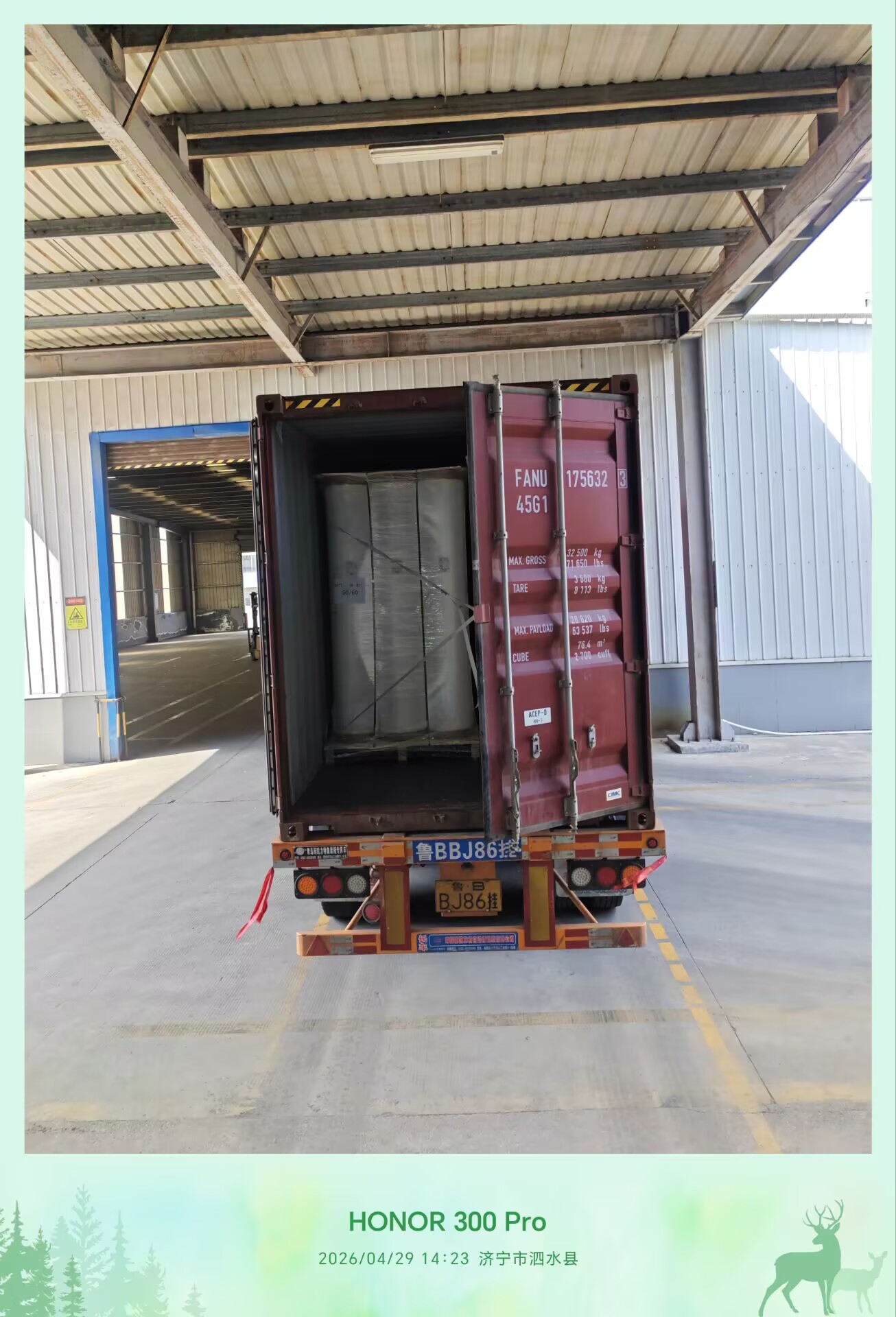
Standard lead time is 15–20 days, with monthly capacity of 3,000 tons; MOQ depends on product type and specification. Export packaging options include vertical pallet packing, horizontal pallet suspension packing, or standard carton packing, and OEM or private-label supply is available. To start a technical review, share your thickness, width, core and corona requirements with the SHKFILM team at weilj@shkfilm.com or +86 166-7890-6856.
The Short Version
No-primer BOPP base film is not a marketing label; it is a substrate decision that removes a process stage. Product 6544 supplies an unprimed BOPP surface optimized for high-speed EVA extrusion coating, so converters producing thermal lamination film can simplify the coating process and reduce primer-related processing requirements while keeping coating performance stable. The record behind it — over 10,000 tons supplied cumulatively, more than 10 years of use, customers in Brazil, South Korea, India, Iran and Japan, and soft-touch and anti-scratch film production with excellent compatibility for subsequent coating and EVA coating — is what a buyer can actually verify before placing a trial order.
Review the Full Technical Range
Download the SHKFILM product brochure for base film specifications, film types and supply terms: SHKFILM brochure (PDF). For a sample of no-primer BOPP base film or a quotation against your thickness, width and corona specification, contact SHKFILM at weilj@shkfilm.com or +86 166-7890-6856.
Have Questions or Need More Details?
Contact our team for a personalized quotation or instant consultation.
Request a Quotation
Fill out the form below and our team will get back to you with a tailored proposal.
WhatsApp Direct Chat
Prefer to chat in real-time? Message us on WhatsApp for instant assistance & quick answers.
- Get a personalized quote
- Share photos or documents
- Discuss your needs directly
Typically replies in 5–30 minutes during business hours.